The Art of French Glass: Daum, Gallé, and the École de Nancy
The Birth of a Decorative Arts Revolution
At the turn of the twentieth century, the French city of Nancy emerged as an unexpected epicenter of innovation in the decorative arts. In the wake of industrial change and growing artistic independence, a group of designers and glassmakers known as the École de Nancy sought to elevate everyday objects into expressions of nature, emotion, and craftsmanship. Their work helped define the Art Nouveau movement, blending organic forms with groundbreaking techniques.
Daum: Craftsmanship Through Light and Layering
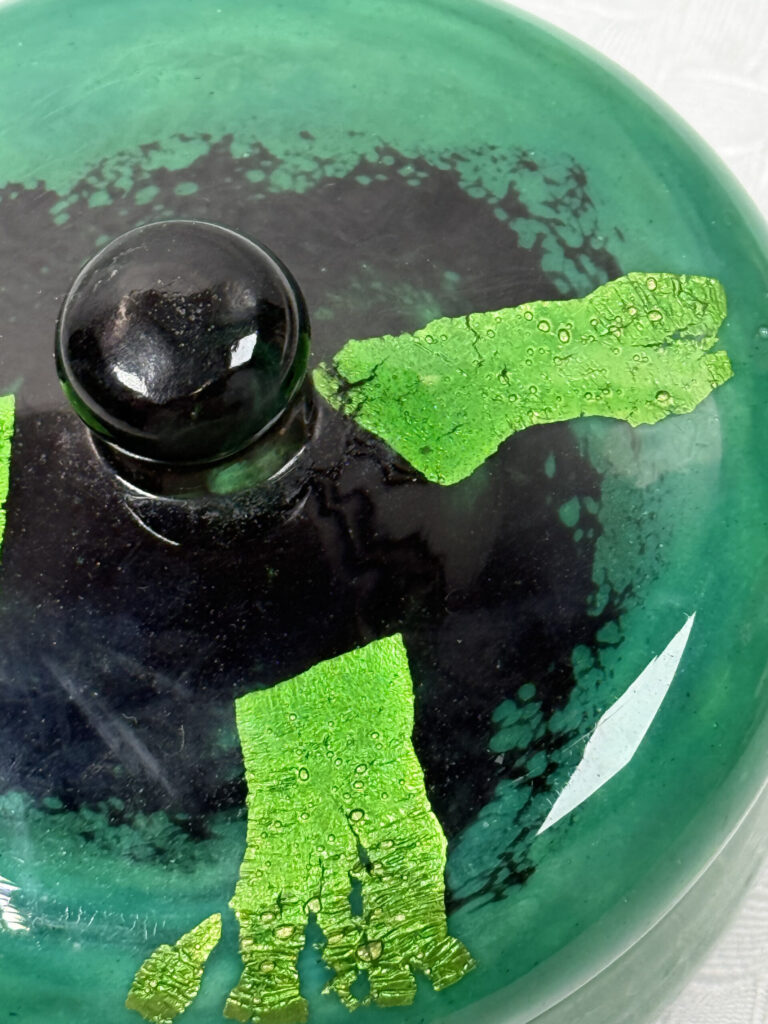
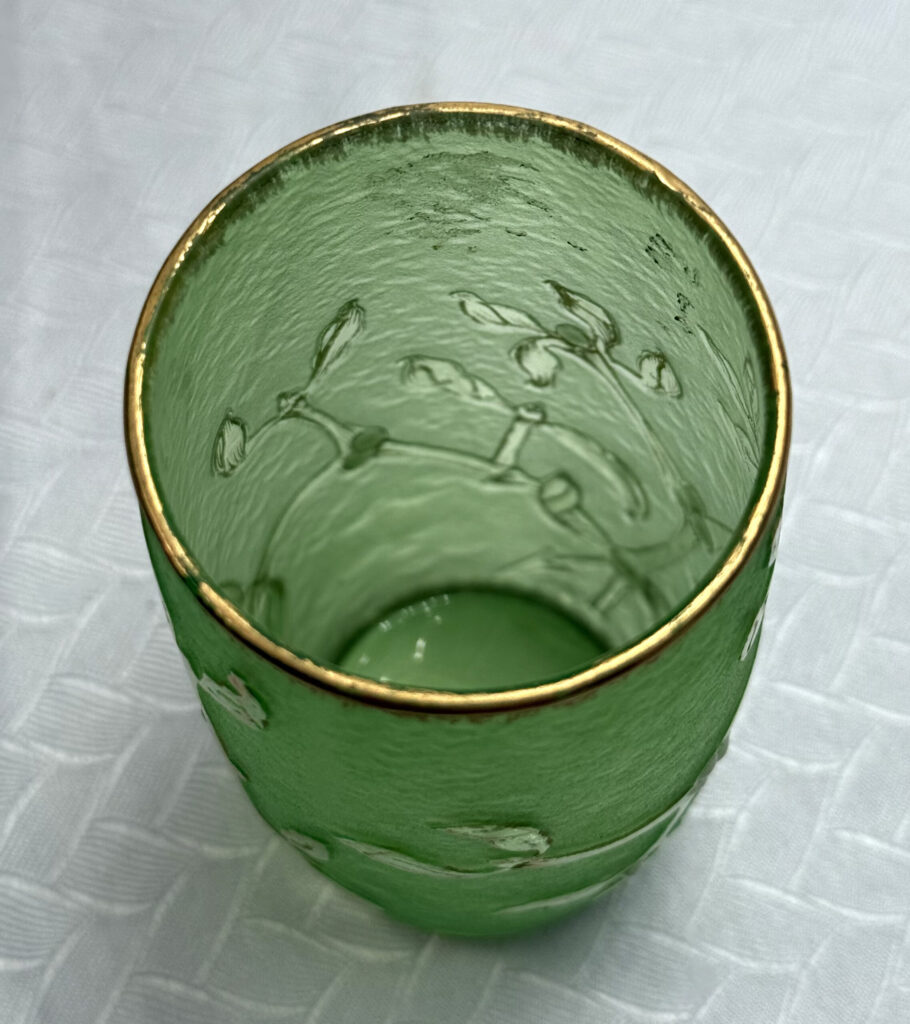
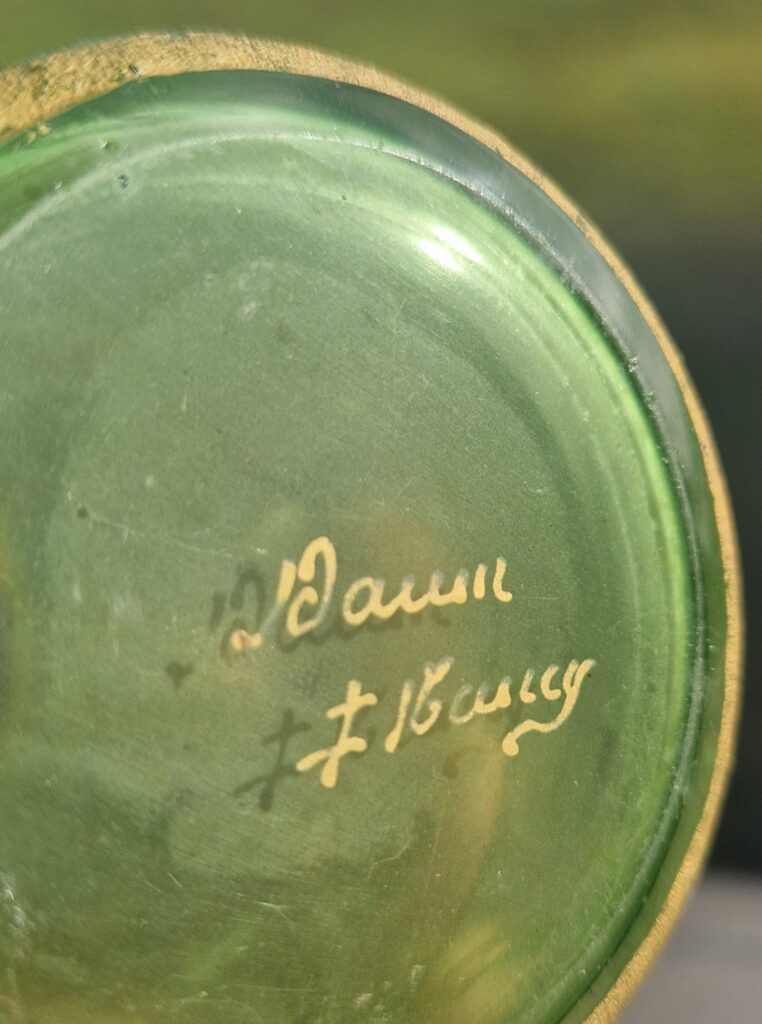
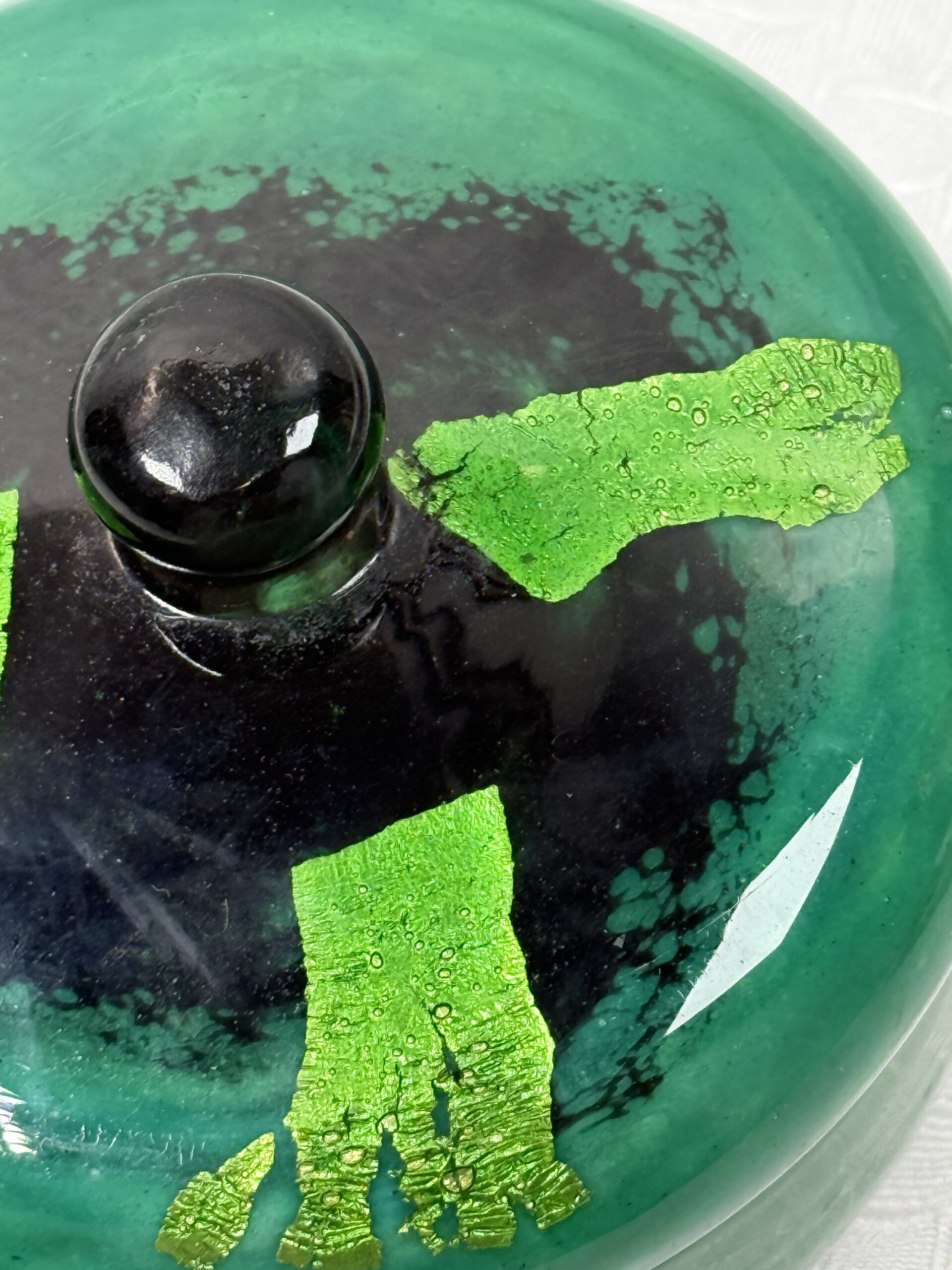
Among the movement’s leading studios, Daum became renowned for its mastery of color, texture, and layered glass. Using techniques such as acid-etching, wheel-carving, and gold-leaf inclusion, Daum created vessels that seemed to capture light within the material itself. These pieces, often inspired by landscapes, flora, or seasonal moods, were crafted to be both functional and poetic. Today, Daum’s work remains highly prized for its technical depth and sculptural subtlety.
Gallé: Nature Interpreted Through Glass
Émile Gallé, another cornerstone of the movement, championed artistic glass as a medium of personal expression. His studio is celebrated for intricate cameo carving, delicate botanical motifs, and richly layered compositions. Gallé’s work reflects a profound respect for nature, transforming glass into a medium capable of conveying narrative, symbolism, and emotional resonance.
A Legacy That Endures
The contributions of Daum, Gallé, and the École de Nancy continue to influence collectors, designers, and museums worldwide. Their approach—marrying craftsmanship, innovation, and artistic spirit—helped redefine what decorative art could be. For modern collectors, French art glass of this period represents not only aesthetic beauty but also a pivotal chapter in the evolution of contemporary design.